.jpg)
|
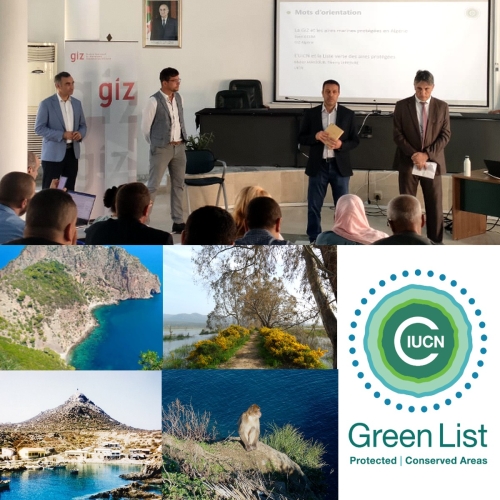
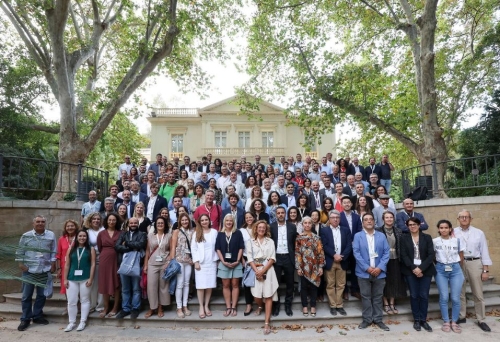
We would like to thank the Ministry of Environment and Renewable Energy 🇩🇿 وزارة البيئة والطاقات المتجددة
|
|
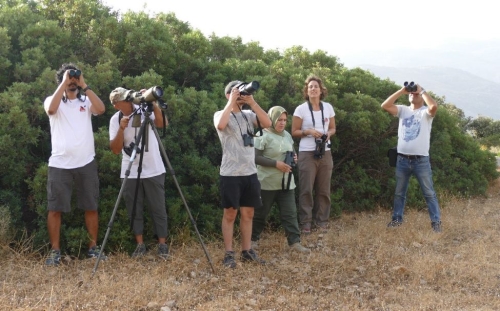
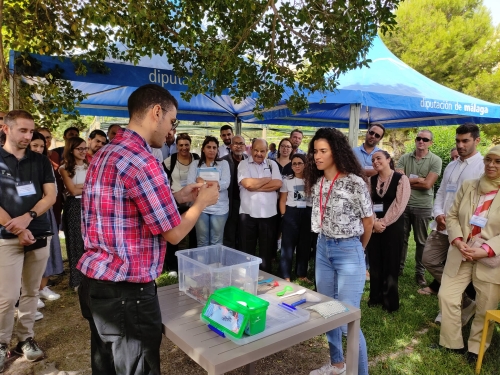
The Ministry of Environment in Tunisia, the Association Les Amis des Oiseaux (BirdLife Tunisia) and IUCN-Med organised a training workshop aimed at creating the basis for a monitoring programme of birds of prey in Tunisia and the impacts on their populations, with a particular focus on interactions with power lines and poisoning cases. Technical staff from the Tunisian Electricity and Gas Company (STEG), government officials, researchers, environmental managers, forestry officers and ornithologists from Tunisia and Algeria participated in the training, which was also attended by experts from the regional government of Andalusia (Spain).
|
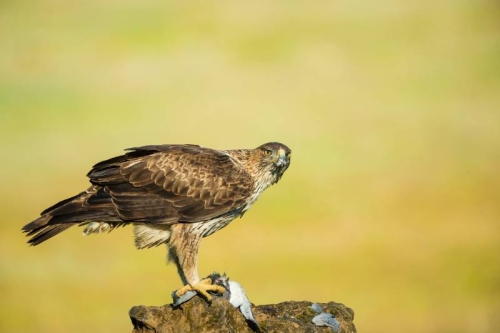
The International Union for Conservation of Nature and the global technology service provider combine conservation expertise and technological advances to reduce the impact of tourism in protected areas in Spain.
|
![]()
|
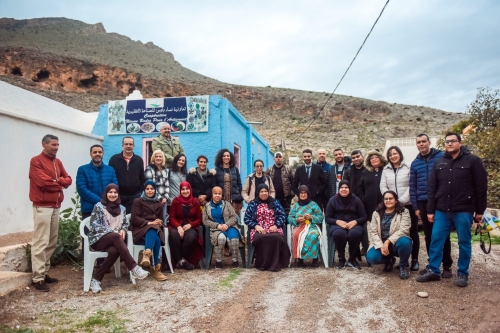
From 29 November to 3 December, the beneficiary associations of the "TransCap" programme are meeting in Morocco to foster cooperation on climate change mitigation and biodiversity conservation. TransCap, funded by the General Directorate for Cooperation of the Balearic Islands and coordinated by the IUCN Center for Mediterranean Cooperation, aims to improve the living conditions of Mediterranean populations through environmental conservation.
|
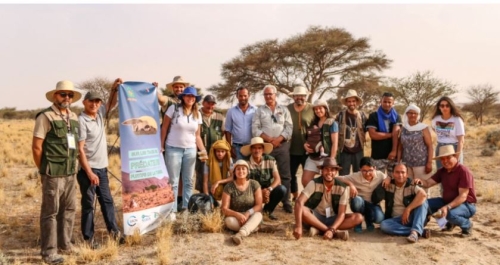
Within the framework of the mubadarat strategy of support to the civil society of the IUCN Center for Mediterranean Cooperation (IUCN-Med), 11 historical associations have been selected as beneficiaries of the PPI OSCAN program and 6 other associations of the TransCap program.
|
|
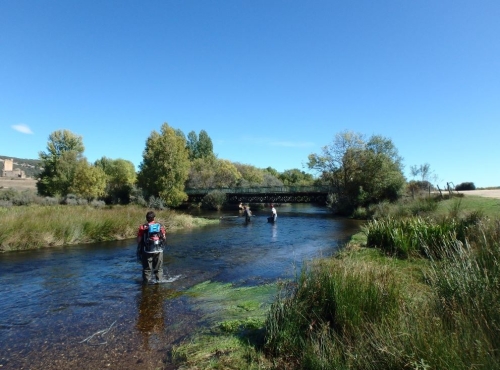
As part of the Reconnecting Iberian Rivers project, the IUCN Centre for Mediterranean Cooperation has launched a web story and a report on the freshwater biodiversity in the Douro river basin in Portugal and Spain
|
.jpg)
You can still register for the free course on 'Aquatic Invasive Alien Species for Managers' of the LIFE Invasaqua project. Whether you work in a municipality and public administration, in a protected area or in the business world, this course offers a clear and simple example of how to contribute to climate change mitigation and curb biodiversity loss in your locality.
|
.jpg)
Plastics only began to be produced in large quantities following the second world war – but plastic pollution has since become one of the most serious threats humanity faces. By 2015, 60% of all plastic ever produced had become plastic waste, and in today’s world, plastic waste is ubiquitous – it’s in the air, in the soil, in freshwater, and in the sea.
|
|